
Shigaraki Jar
Object Registry
Collection
Handmade Objects
Object
Shigaraki Jar
Period
Edo period, 18th–19th century
Origin
Shigaraki, Japan
Maker
Unknown
Object Genesis
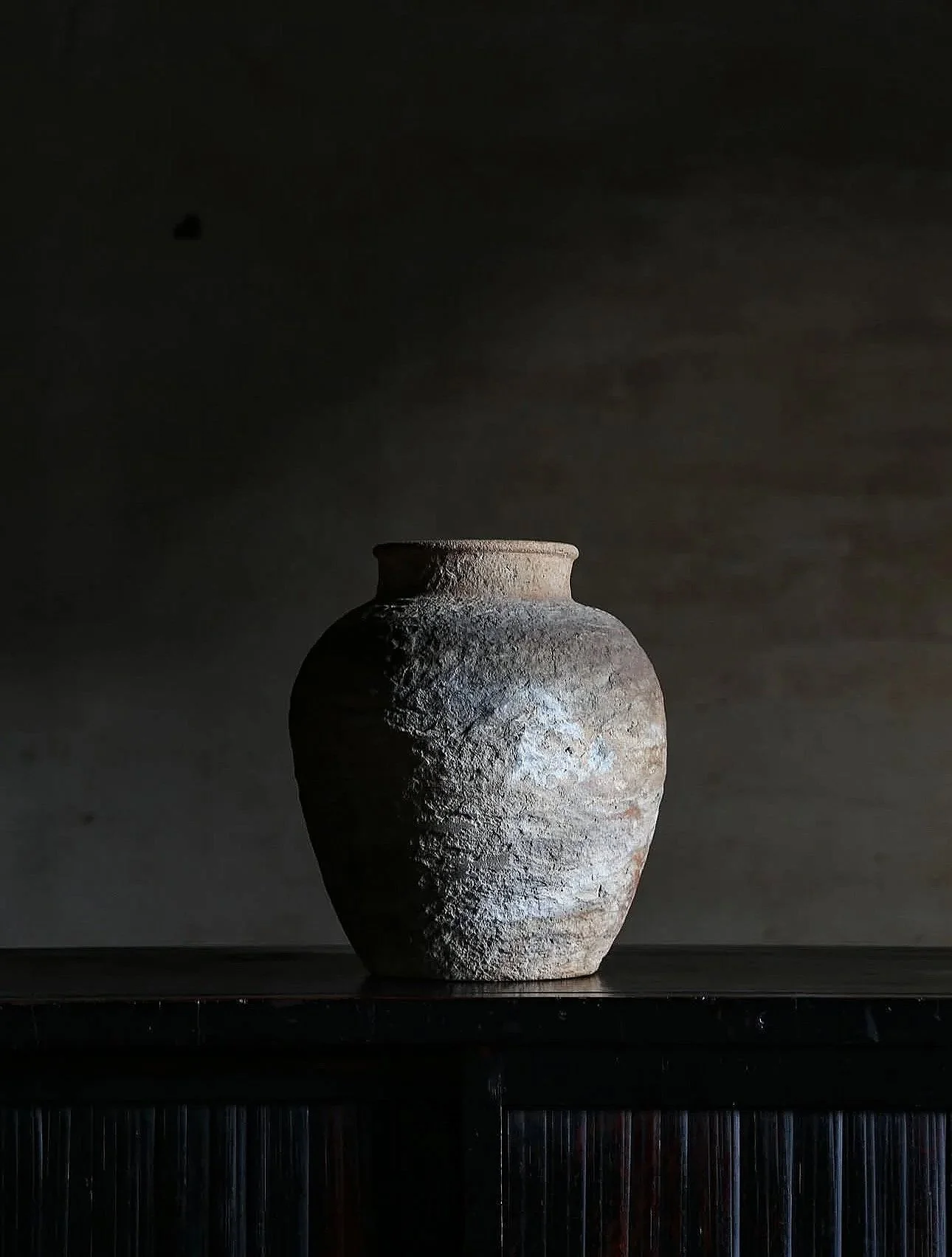
Attributed to Shigaraki and believed to date from the Edo period, this jar carries the material character associated with traditional Shigaraki ware.
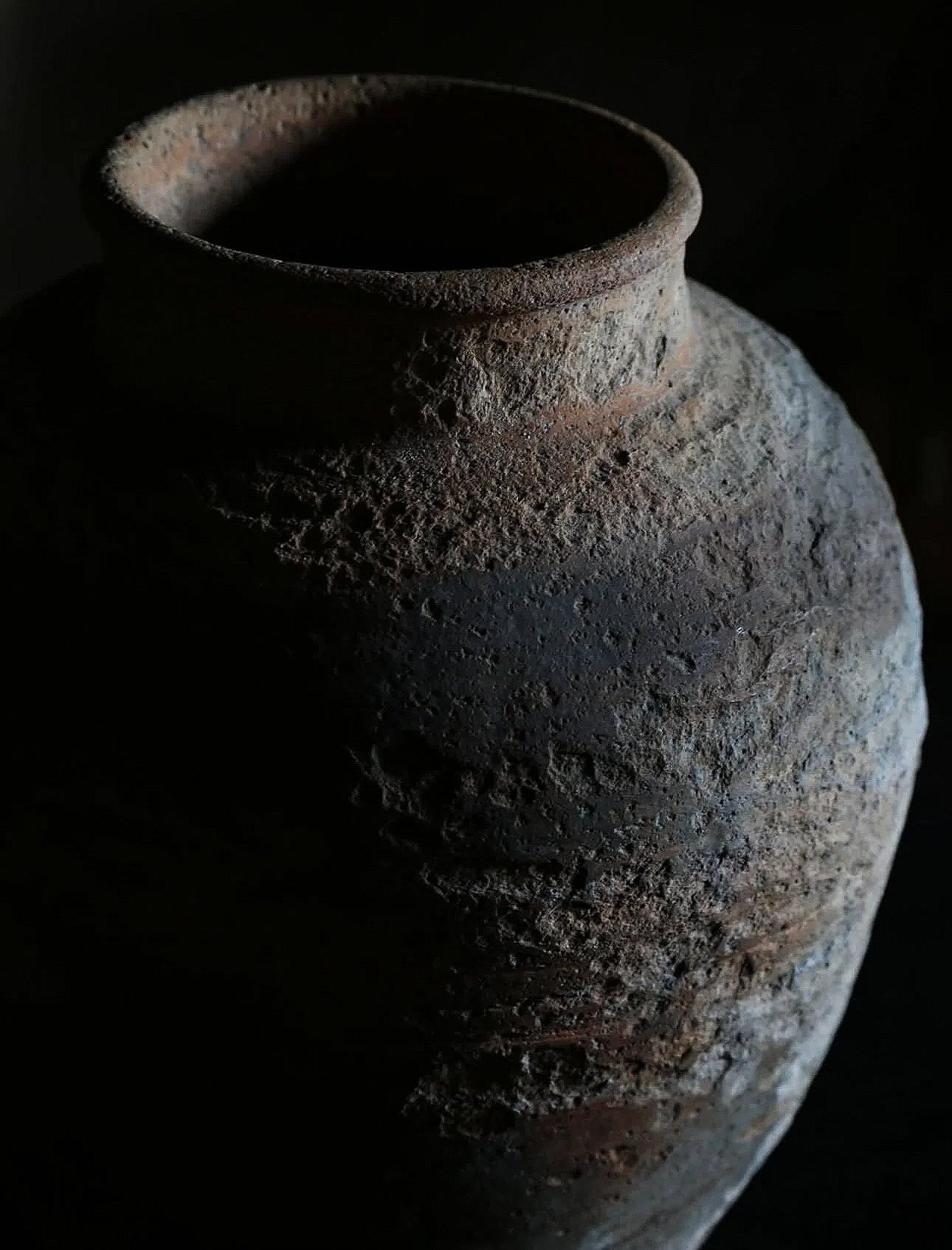
Its coarse clay, visible feldspar and naturally wood-fired surface reveal the effect of earth, flame and ash. The wear, firing marks and hand-thrown form remain visible, giving the jar a surface shaped as much by use and time as by its original making.
The simple utilitarian form suggests it was most likely used to store grain, although it may also have held water or other foodstuffs.
What remains is not only the vessel itself, but the trace of how it was made, used and carried through time.
Object Character
Attributed to the Edo period, 18th–19th century
Attributed to Shigaraki, Japan
Hand-thrown utilitarian form
Coarse clay with visible feldspar
Naturally wood-fired surface
Firing marks and age-related wear
One of a kind
Object Information
Material
Wood-fired stoneware, attributed to Shigaraki
Period
Edo period, 18th–19th century
Attributed origin
Shigaraki, Japan
Likely use
Grain storage, possibly water or other foodstuffs
Dimensions
Approximately 325 × 280 mm
Availability
One of a kind
Experience the Collection
Historical objects are best understood through their material presence. Discover the Handmade Objects collection alongside authored porcelain materials and contemporary ceramics by appointment at plonc. Studio.